
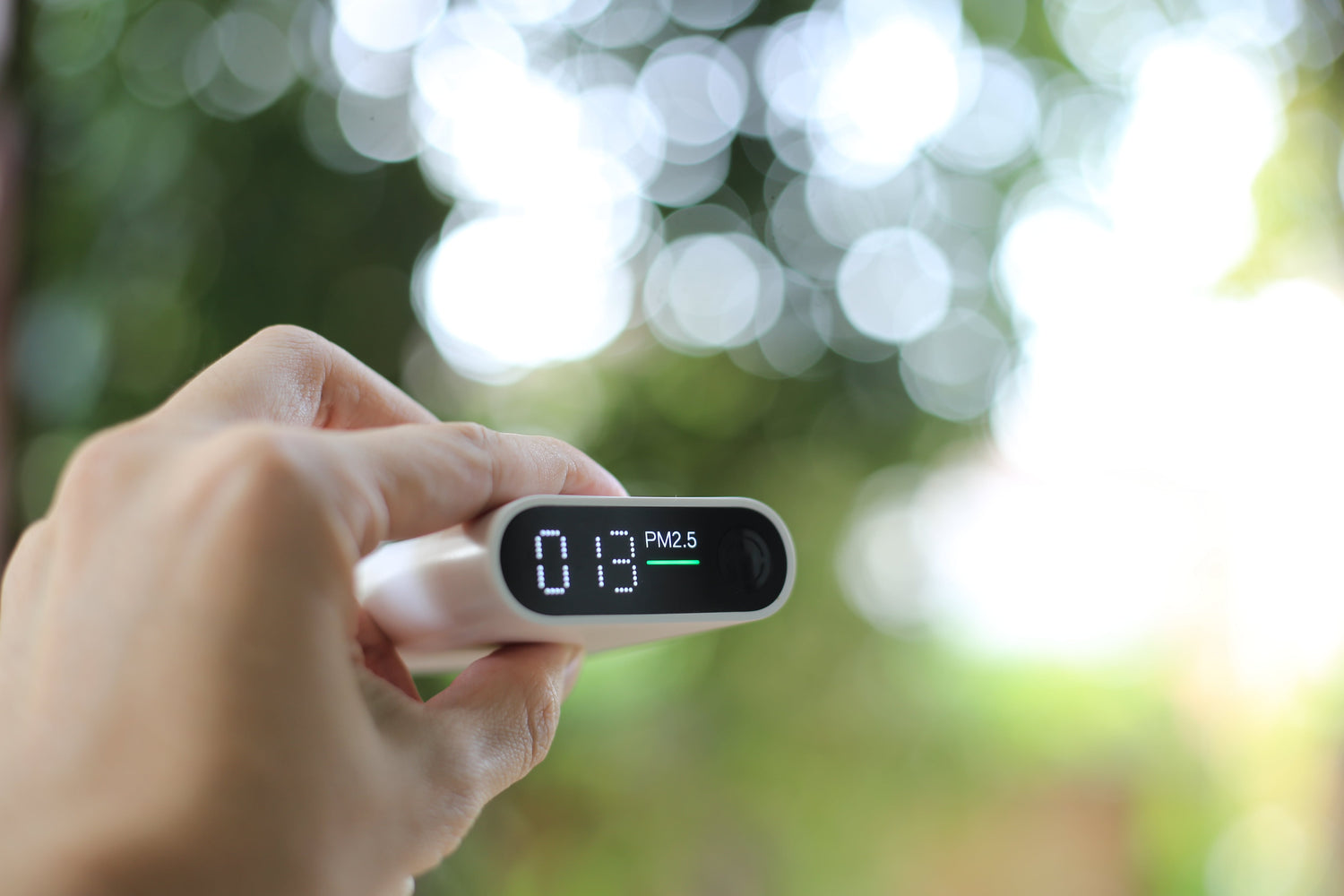
Air quality sensors are technological devices that measure various pollutants and atmospheric conditions in the surrounding air. These sensors are used to assess the quality of ambient air and are commonly preferred in both indoor and outdoor environments. Especially in large cities and industrial areas, increasing air pollution has driven greater demand for such devices.
What Do Air Quality Sensors Do?
Air quality sensors provide information about air quality by measuring various parameters such as harmful gases in the atmosphere (e.g., carbon dioxide, VOCs), particulate matter (such as PM2.5), temperature, humidity, and pressure. Thanks to these sensors, precautions can be taken in advance to prevent health problems caused by air pollution. Below you can find information about some of the key parameters these sensors measure and why they matter:
Carbon Dioxide (CO2): CO2 is a gas produced by human respiration and the combustion of fossil fuels. High CO2 levels can lead to fatigue, headaches, and loss of concentration, especially in enclosed spaces.
Volatile Organic Compounds (VOCs): VOCs are gases emitted from various chemical substances. Released from sources such as cleaning products, paints, and construction materials, these compounds can cause respiratory problems and serious long-term health issues.
Particulate Matter (PM2.5): Particles smaller than 2.5 microns in diameter can penetrate deep into human lungs. PM2.5 is particularly associated with respiratory diseases and cardiovascular problems, making its measurement critical to understanding air quality.
Temperature and Humidity: The temperature and humidity of the air have a direct impact on comfort levels and health. Excessively high or low humidity in particular can trigger allergies and respiratory ailments.
Air Pressure: Changing air pressure can affect atmospheric events and environmental conditions. Sudden pressure changes may have an effect on people's general health.
How Do Air Quality Sensors Work?
Air quality sensors typically consist of sensor components that operate on different principles. For example:
NDIR (Non-Dispersive Infrared): This technology is used specifically for CO2 measurement. NDIR sensors use light at a specific wavelength to determine CO2 levels in the air.
Metal Oxide Semiconductors (MOX): This type of sensor is used to detect the presence of VOCs and other gases. When gases come into contact with the metal oxide surface, the sensor's electrical properties change, and this change is correlated with the concentration of the gas.
Particulate Matter Sensors: Laser light and photodetectors are used to measure particles such as PM2.5. These sensors provide data by analyzing the number and size of particles in the air.
Air quality sensors enable people to continuously monitor the air quality of their living environments, supporting a healthier and safer life. Whether at home, at work, or outdoors, these devices make it possible to breathe clean air and minimize potential health risks. With growing environmental awareness and advancing technology, air quality sensors are expected to become even more widespread in the future.


Leave a comment
This site is protected by hCaptcha and the hCaptcha Privacy Policy and Terms of Service apply.