

Air quality measurement devices are versatile instruments that can be used across a wide variety of fields. The primary purpose of these devices is to monitor the air quality in the surrounding environment and detect pollutant levels so that appropriate measures can be taken. Here are the common areas of use for air quality measurement devices:
1. Indoor Air Quality Monitoring in Homes and Offices
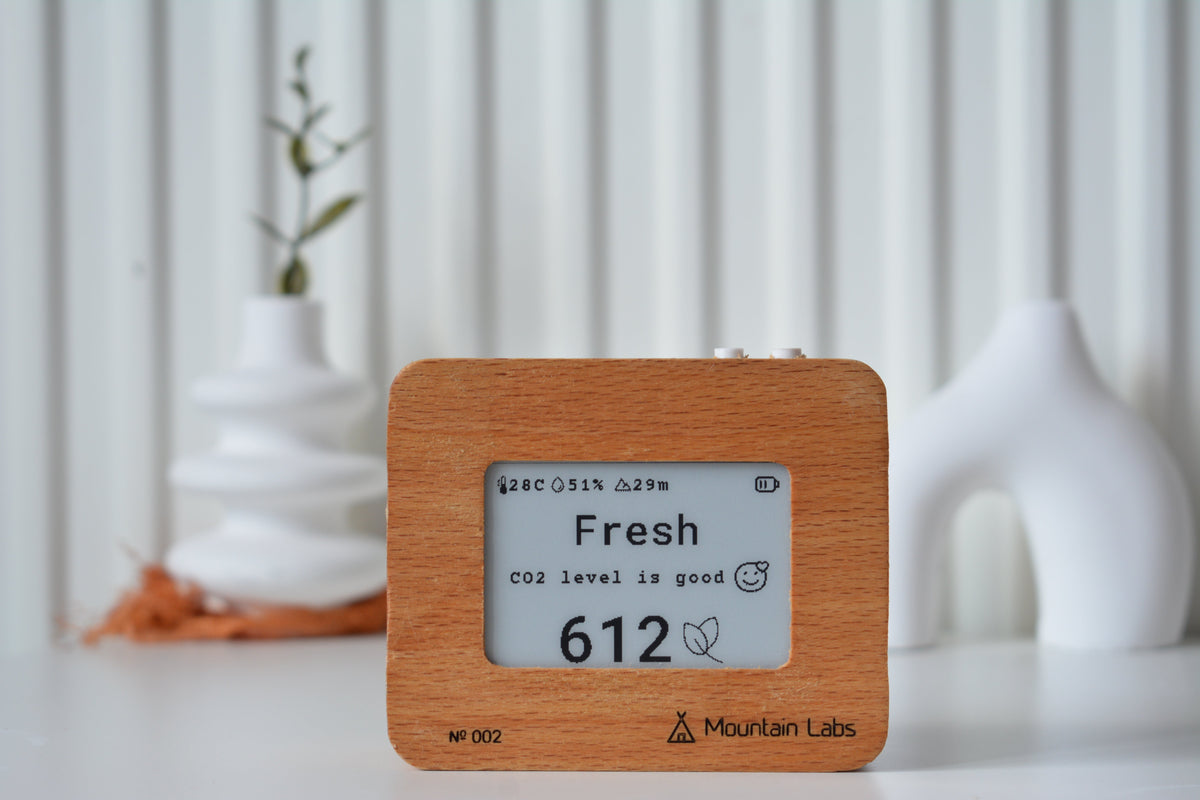
Air quality in home and office environments is critically important for comfort and health. These devices monitor carbon dioxide (CO2), volatile organic compounds (VOCs), particulate matter (PM2.5), and humidity levels in enclosed spaces. Keeping air quality under control can help improve the quality of life, especially for people who suffer from allergies, asthma, and other respiratory problems.
2. Schools and Educational Institutions
Air quality in schools and other educational institutions can affect the concentration and general health of students and teachers. Fatigue and attention deficits can occur especially when CO2 levels are high. Air quality measurement devices help ensure healthy air conditions in classroom environments.
3. Healthcare Institutions and Hospitals
In hospitals and healthcare centers, air quality can directly affect patients' recovery process. These devices can help maintain a sterile and healthy environment, reduce the risk of infection, and enable patients to recover more quickly.
4. Industrial and Manufacturing Facilities
Workers in industrial facilities may be exposed to harmful gases, dust, and chemicals. Air quality measurement devices are used to ensure worker safety and monitor air pollution levels in the workplace. These devices also help businesses operate in compliance with legal regulations.
5. Urban Air Quality Monitoring
In large cities, air pollution is widespread — particularly due to traffic, industry, and other pollution sources. Municipalities and environmental organizations use these devices to continuously monitor air quality and keep citizens informed. City-wide air quality monitoring helps protect especially vulnerable groups such as children, the elderly, and asthma sufferers.
6. Smart Home Systems
Air quality sensors can be integrated into smart home systems and used alongside home automation. For example, when sensors detect that air quality is deteriorating, they can automatically open windows or activate ventilation systems.
7. Agriculture and Greenhouse Farming
In agricultural areas and greenhouses, air quality measurement allows for monitoring of factors that directly affect plant growth. Keeping parameters such as CO2, humidity, and temperature under control can enable plants to grow efficiently and healthily.
8. Vehicles and Transportation
Modern vehicles use indoor air quality sensors, and ventilation systems are activated automatically when air pollution is detected. Additionally, these devices are used in public transportation vehicles and aircraft to ensure passengers travel in a healthier environment.
9. Hotels and Restaurants
In hotels, restaurants, and similar businesses, air quality is of great importance for customer satisfaction and hygiene. Good indoor air quality enhances customer comfort and provides a better experience. It also helps prevent harmful gases and odors that may form in kitchens and enclosed areas.
10. Laboratories and Research Centers
Air quality sensors are used in laboratory environments while conducting precise experiments and research. These devices play an important role in sensitive environments where the air must remain clean and stable.
11. Gyms and Fitness Centers
In enclosed spaces where intense exercise takes place, CO2 levels can rise rapidly, which can negatively affect users' performance. Air quality sensors are used in such environments to ensure ventilation operates effectively and to protect the health of athletes.
12. Camping and Caravans
When spending extended periods in camping areas or caravans, the air quality of enclosed spaces becomes critically important. There is a particular risk of carbon monoxide or other harmful gases accumulating in small, enclosed areas. Air quality measurement devices help provide a safe living space in such situations.
Conclusion
Air quality measurement devices are used across various fields to improve quality of life and protect health. Thanks to these devices, health risks associated with air pollution can be detected in advance, and by taking appropriate measures, healthier and safer environments can be created.


Leave a comment
This site is protected by hCaptcha and the hCaptcha Privacy Policy and Terms of Service apply.